Mealybugs – small but harmful, with significant losses
In today's agriculture, mealybugs are a common pest that is becoming harder to control. Although small and often hidden deep in stems and roots, mealybugs cause weakened growth, clear yield reductions, and higher rates of plant death if not managed correctly.
Specific damage mealybugs cause to crops
1. Continuous sap sucking – weakening the whole plant
- Mealybugs feed on soft tissue in young shoots, leaves, stems, bases and roots.
- This reduces internal nutrient pressure, causing plants to stall, stop flushing and flower late.
2. Honeydew secretion – causing sooty mould
- Mealybug honeydew is a favourable medium for sooty mould growth.
- When covered by mould, leaves turn black and lose photosynthetic capacity, affecting yield and fruit quality.
3. Transmitting dangerous viruses
- Mealybugs are vectors of many plant viruses, especially on dragon fruit, pepper, durian and pineapple.
- Viruses usually have no specific cure → total crop loss if mealybugs are not controlled early.
4. Helping black ants spread
- Mealybugs live in symbiosis with black ants: mealybugs provide honeydew, ants protect them from natural enemies and carry them to other plants.
- Many ants in the orchard is a sign that mealybugs have spread underground and in the tree bases.
Negative impacts by crop
| Crop | Common mealybug damage |
|---|---|
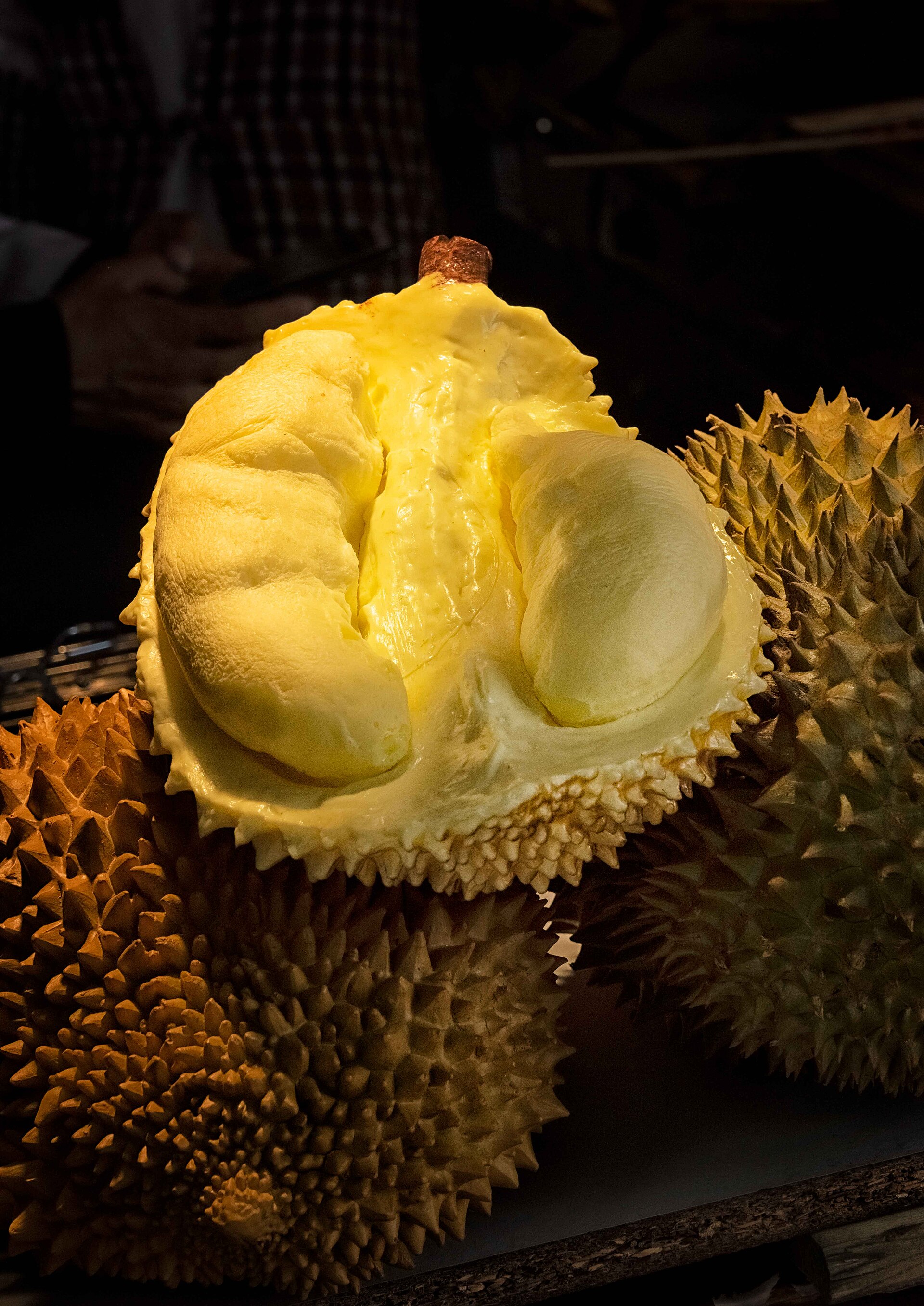
| Durian | Young shoots shrivel, young fruit drops early, sap flow blocked |
| Pepper | Roots sucked → vines die fast, prone to secondary nematode damage |
| Coffee | Yellow leaves, young berry drop, yield down by more than 30% |
| Dragon fruit | Poorer-looking fruit, dry fruit tips, plants struggle to produce new buds |
| Rambutan, mango | Mass fruit drop at flowering, deformed fruit |
Economic losses from mealybugs are alarming
- Loss of 30–50% of yield if mealybugs are not controlled from the start of the season.
- Costly repeated spraying if using ordinary products without deep systemic action.
- Loss of market value from poor leaves and rough fruit.
- Increased pressure to use pesticides, affecting the farm ecosystem.
Advice from Vietcropchem specialists
To limit serious mealybug damage, growers should:
- Inspect regularly hard-to-see places: base, leaf sheaths, roots, under the canopy.
- Combine orchard hygiene + correct cultivation practices.
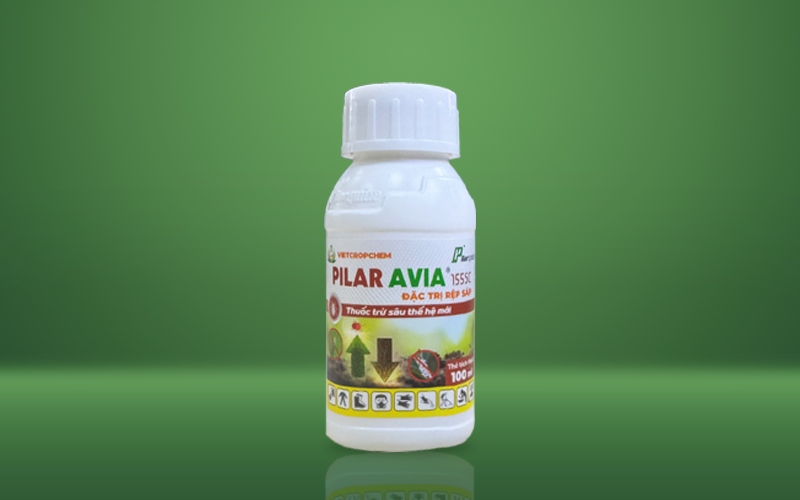
- In particular, use a targeted product with two-way systemic action to reach mealybugs wherever they hide in plant tissue.
Read next https://vietcropchem.com/tin_tuc/Cach-phong-ngua-rep-sap-hieu-qua-trong-canh-tac-nong-nghiep in the series: How to prevent mealybugs in crop production
SEO keywords used in this article:
tác hại của rệp sáp, rệp sáp gây hại cây trồng, ảnh hưởng của rệp sáp, giảm năng suất do rệp sáp, nấm bồ hóng, rệp và kiến đen
#Pilaravia155SC #ThuocTriRepSap #LuuDan2Chieu #RepSapCayTrong #ThuocTruSauLuuDan #Vietcropchem #repsap #chichhut #ray
#RepSap #PhongTruRepSap #SauHaiCayTrong #PhongTruSauBenh #NongNghiepThongMinh #BenhRepSap #TruRepHieuQua #RepSapSauRieng #RepSapXoai #RepSapCaPhe #RepSapHoTieu #RepSapThanhLong #RepSapChomChom #RepSapNhan #RepSapMit #Pilaravia155SC #ThuocTriRepSap #ThuocLuuDan2Chieu #ThuocTruRep #GiaiPhapChoNhaNong #VuMuaBoCach #NongSanChatLuong #Vietcropchem