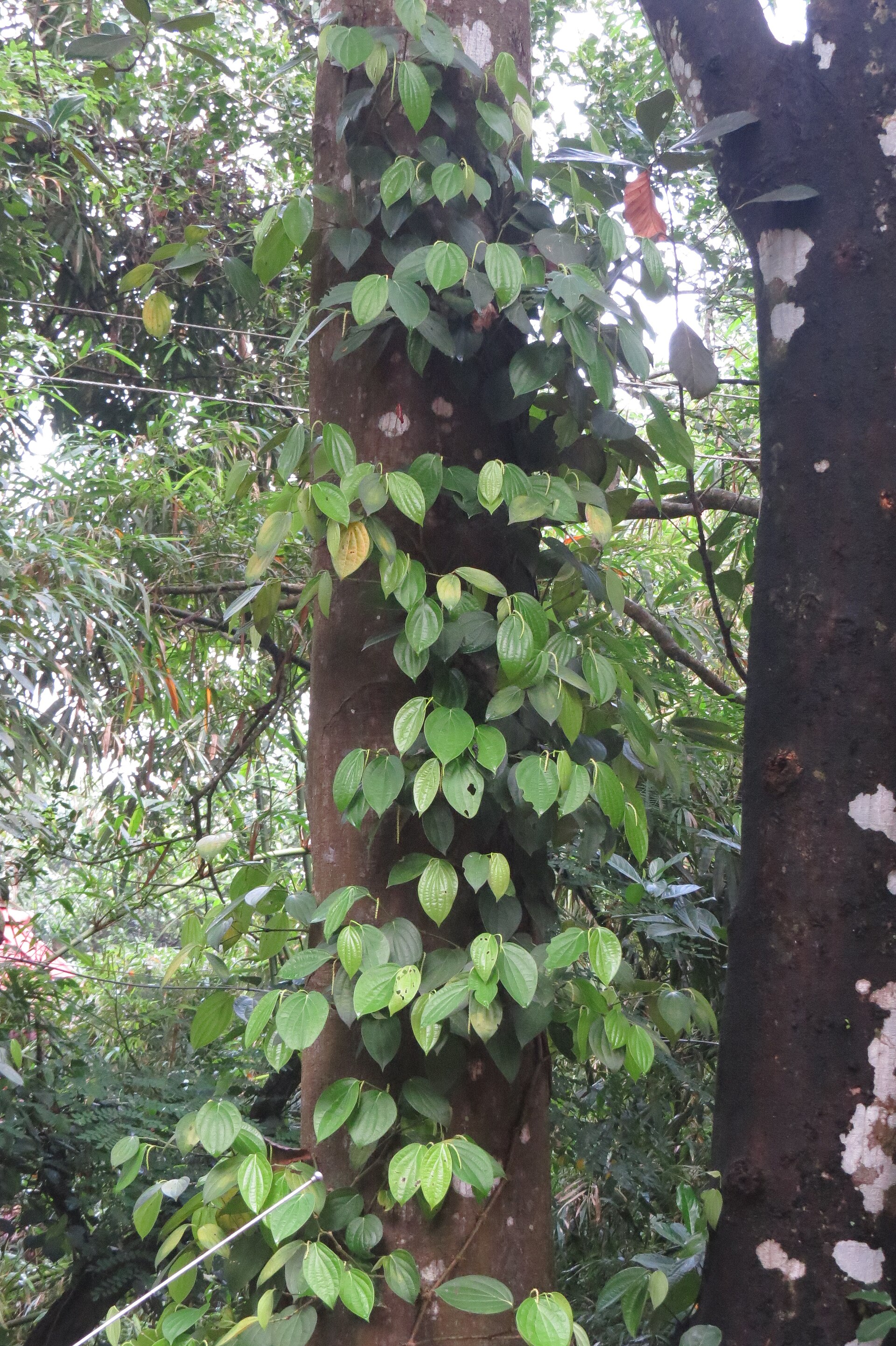
Mealybugs – a silent cause of pepper vines dying off
On pepper, mealybugs appear not only on leaves and branches; they are especially damaging when they attack the base and root collar. They suck sap from root tissue, causing root rot – weakened plants – yellowing and rapid leaf drop – vines dying where they stand.
Many growers have mistaken this for nematodes or fungal root rot, when in fact mealybugs had been present at the base from very early on without being treated correctly.
Signs of mealybugs on pepper
| Feeding site | Typical signs |
|---|---|
| Root collar – base of the post | Soft soil around the base, roots turning brown, white cottony layer |
| Lower stem – nodes near the ground | Slight roughness, peeling bark, white wax |
| Leaves – upper branches | Leaves yellow from the bottom up, drop early, weak climbing stems |
| Observing the base | Many black ants, especially in the early morning |
An important sign: many black ants = mealybugs in the soil or on the stem!
Serious damage caused by mealybugs on pepper
- Sucking young roots → reduced nutrient uptake, mass leaf yellowing
- Rapid root rot, spreading to neighbouring posts in the same irrigation system
- Higher risk of nematodes, wilt and fungal root rot
- Pepper posts dying in patches, causing serious losses at harvest
When do mealybugs thrive on pepper?
- Start of the rainy season – damp base – dense weeds – poor drainage
- After applying organic fertiliser that is not fully composted
- When the plant has just flushed – differentiating fruiting branches
✅ Managing pepper mealybugs – from the roots up
1. Dig and check pepper roots regularly
- Every 30–45 days, select 3–5 posts per thousand to check the base and roots
- Check root firmness, root colour, soil softness and signs of mealybugs
2. Use a systemic product that acts deep in plant tissue
Technical suggestion:
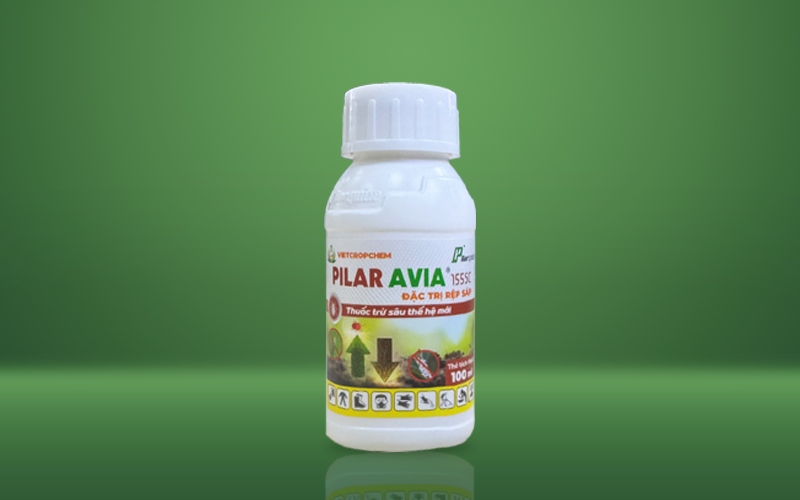
Pilaravia 155SC – two-way systemic - for mealybug control
3. Combine with the sticker adjuvant Viet-up 90
- Improves penetration into the plant epidermis
- Maintains effect longer in moist soil, suitable for red basalt and clay soils
4. Drench the base – spray the stem – control ants
- Drench around the base so the product spreads through the root zone
- Spray the stem from the base up to 1m to cut off the ant/mealybug route
- Set ant traps or use suitable biological products
Pepper mealybug programme with Pilaravia 155SC
| Goal | Specific use |
|---|---|
| Routine prevention | 15ml Pilaravia + 10ml Viet-up 90 / 25L water, spray to wet the base |
| Treating infestations | 25ml Pilaravia + 15ml Viet-up 90 / 25L water, drench the base & spray the stem |
| Repeat | 5–7 days after the first application if density is high |
| Follow-up | After treatment, apply a microbe-rich bio-fertiliser to help roots recover |
Conclusion
Mealybugs on pepper are very damaging because they are often overlooked, hiding underground. Once they break out, the result is root decline, base rot, rapid vine death with no recovery.
Pilaravia 155SC combined with Viet-up 90 is a technical solution suited to treating at the root – limiting recurrence – keeping pepper posts healthy through the season.
Read next: Dragon fruit bracts drying black? A warning sign of a silent mealybug attack
SEO keywords used in this article
- Main keyword: rệp sáp hồ tiêu
- Secondary keywords: rệp gốc tiêu, rệp gây chết tiêu, thuốc trị rệp hồ tiêu, Pilaravia 155SC #RepSapHoTieu #ThuocTriRep #Pilaravia155SC #TruTieuKhoe #Vietcropchem #NongNghiepTayNguyen